7th October, 2017.
Several weeks ago, I happened to be driving and on my car stereo was the ‘Hawksbee and Jacobs’ show on TalkSport. Their studio guest was Harry Findlay, who was being interviewed (with author Neil Harman) to publicise his new book ‘Gambling For Life: The Man Who Won Millions And Spent Every Penny’.
Findlay’s reported betting strategies have attracted mixed responses across social media, but something that he said during his interview piqued my interest. He was discussing former tennis players and the strategies he adopted for them, and he mentioned that he made a lot of money opposing Jarkko Nieminen. His general strategy appeared to focus on opposing him when he faced ‘better’ opponents, presumably when his opponent was a heavy favourite, but still represented value.
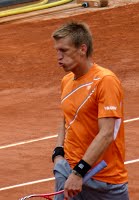
Findlay mentioned Jarkko Nieminen was poor against better opponent…
This is something else, to an extent, that I’ve also focused on, particularly in historical written previews for Grand Slams, where it is quite easy to write-off a number of fancied (by others) outside contenders given their poor record against top 10 or top 20 opponents. Obviously, it’s virtually impossible to win a Grand Slam or make the final without beating several top 10, or a few top 20 opponents (although Venus Williams had a good go at this year’s Australian Open – she didn’t face a top 25 player until the final) and players who have tended to struggle against these ranking brackets are likely to continue to do so.
Generally, players who have these issues are likely to have several major issues – either they don’t have a high peak level which they’d need in order to beat a top player, or perhaps they have mental deficiencies which make it difficult for them to retain leading positions during the match. Tactical deficiencies – for example, Richard Gasquet’s notorious return position – could also be an issue. These problems are far from mutually exclusive, and players with poor records against the better players on tour could conceivably have issues with all of these.
On this basis, I thought it would be interesting to assess the current top 100 (at 7th October, 2017) on the ATP Tour and see which players historically struggled when a heavy underdog in matches (I used a Pinnacle closing price of 3.00 or greater here). The players below had the lowest win percentages:-
|
Player
|
Rank
|
Career when SP >3.00
|
Career when SP >3.00
|
Career when SP >3.00
|
|
|
|
Matches
|
Won
|
Win %
|
|
|
|
|
|
|
|
Fritz
|
91
|
18
|
2
|
11.11
|
|
Kohlschreiber
|
33
|
79
|
9
|
11.39
|
|
Carreno-Busta
|
10
|
49
|
6
|
12.24
|
|
Dimitrov
|
8
|
57
|
7
|
12.28
|
|
Anderson
|
16
|
90
|
12
|
13.33
|
|
Seppi
|
86
|
123
|
17
|
13.82
|
|
Gasquet
|
30
|
56
|
8
|
14.29
|
|
Ferrer
|
28
|
75
|
11
|
14.67
|
The above players all recorded win percentages below 15% when a 3.00+ underdog in matches – considerably below the top 100 mean win percentage of 22.72%. While young prospect Taylor Fritz can arguably be excused his poor performance to an extent, given the smaller sample of data, the other players clearly have major issues stepping up against better opponents. Taking the ‘Findlay approach’ of opposing them when a heavy underdog is likely to yield future dividends, particularly given that the majority are on the downward side of the age curve – career turnarounds from the likes of Kohlschreiber, Seppi or Gasquet would rate as extremely unlikely.
Another approach that I took when analysing this data took into account sample sizes too, and I used a metric called ‘wins above/below the mean’. Effectively, this metric assesses how many more or less wins a player would need to have recorded to reach the mean ATP Top 100 figure, with the theory being that players with awful records from larger samples would be flagged. The worst performers are listed (over 4.5 wins below the mean) below:-
|
Player
|
Rank
|
Career when SP >3.00
|
Career when SP >3.00
|
Career when SP >3.00
|
Career when SP >3.00
|
|
|
|
Matches
|
Won
|
Win %
|
Wins Above/Below Mean
|
|
Seppi
|
86
|
123
|
17
|
13.82
|
-10.94
|
|
Kohlschreiber
|
33
|
79
|
9
|
11.39
|
-8.94
|
|
Anderson
|
16
|
90
|
12
|
13.33
|
-8.44
|
|
Troicki
|
55
|
112
|
18
|
16.07
|
-7.44
|
|
Lorenzi
|
38
|
105
|
17
|
16.19
|
-6.85
|
|
Istomin
|
53
|
113
|
19
|
16.81
|
-6.67
|
|
Ferrer
|
28
|
75
|
11
|
14.67
|
-6.04
|
|
Dimitrov
|
8
|
57
|
7
|
12.28
|
-5.95
|
|
Carreno-Busta
|
10
|
49
|
6
|
12.24
|
-5.13
|
|
Sela
|
70
|
87
|
15
|
17.24
|
-4.76
|
|
Gasquet
|
30
|
56
|
8
|
14.29
|
-4.72
|
|
Harrison R
|
52
|
73
|
12
|
16.44
|
-4.58
|
|
Bautista-Agut
|
13
|
64
|
10
|
15.63
|
-4.54
|
Here we can see that Andreas Seppi is over 10 wins below the mean figure for his sample of matches, and the Italian veteran leads the way from Philipp Kohlschreiber and Kevin Anderson, both of whom also featured in the lowest percentages also. This list should give readers a comprehensive idea of which players have issues against better opponents.
Andreas Seppi has had major issues against better players throughout his career…
My next step was to look at the reverse – which players were strongest against better players? The table below shows all of the top 100 ATP players with a greater than 30% win percentage when a heavy underdog:-
|
Player
|
Rank
|
Career when SP >3.00
|
Career when SP >3.00
|
Career when SP >3.00
|
|
|
|
Matches
|
Won
|
Win %
|
|
Bublik
|
100
|
24
|
13
|
54.17
|
|
Federer
|
2
|
21
|
10
|
47.62
|
|
Shapovalov
|
51
|
21
|
9
|
42.86
|
|
Dzumhur
|
36
|
58
|
22
|
37.93
|
|
Zverev A
|
4
|
62
|
22
|
35.48
|
|
Thompson
|
71
|
39
|
13
|
33.33
|
|
Sock
|
21
|
51
|
17
|
33.33
|
|
Pouille
|
23
|
70
|
22
|
31.43
|
|
Escobedo
|
93
|
32
|
10
|
31.25
|
|
Kyrgios
|
19
|
29
|
9
|
31.03
|
|
Djokovic
|
6
|
13
|
4
|
30.77
|
|
Laaksonen
|
94
|
73
|
22
|
30.14
|
Young Russian talent, Alexander Bublik, was the only player to record a greater than 50% success rate, and it would appear that he’s been under-rated by the bookmakers in his young career (and my model often flags him as value). The Swiss legend, Roger Federer, has rarely been a heavy underdog, but when he has, has performed superbly – he’s a man for the big occasion. Denis Shapovalov, Alexander Zverev, Jordan Thompson, Lucas Pouille, Ernesto Escobedo and Nick Kyrgios show that there are a number of young players featuring, while Damir Dzumhur – surely one of the most improved players on tour this year – also features.
Damir Dzumhur has stepped up when a heavy underdog…
Eight players, including the majority of the above table – Ivo Karlovic also sneaked in – recorded in excess of 4.5 wins more than their sample mean, and they are listed below:-
|
Player
|
Rank
|
Career when SP >3.00
|
Career when SP >3.00
|
Career when SP >3.00
|
Career when SP >3.00
|
|
|
|
Matches
|
Won
|
Win %
|
Wins Above/Below Mean
|
|
Dzumhur
|
36
|
58
|
22
|
37.93
|
8.83
|
|
Zverev A
|
4
|
62
|
22
|
35.48
|
7.92
|
|
Bublik
|
100
|
24
|
13
|
54.17
|
7.55
|
|
Pouille
|
23
|
70
|
22
|
31.43
|
6.10
|
|
Laaksonen
|
94
|
73
|
22
|
30.14
|
5.42
|
|
Sock
|
21
|
51
|
17
|
33.33
|
5.42
|
|
Federer
|
2
|
21
|
10
|
47.62
|
5.23
|
|
Karlovic
|
49
|
72
|
21
|
29.17
|
4.65
|
Finally, what about Findlay’s friend, the retired Nieminen?
Nieminen won just 13 of 77 matches as a heavy underdog (16.88%), making him 4.49 wins below his sample mean. He’d certainly be up there as one of the worst players on tour against ‘better’ opponents.
Certainly data would make a strong case for suggesting Findlay was pretty accurate with his description of the Finn…